Creating a productive home office environment is essential for anyone working remotely or running a business from home. A well-designed workspace not only boosts efficiency but also supports your well-being. Whether you have a dedicated room or a small corner, these tips will help you make the most of your home office.
Choose the Right Location
Select a Dedicated Space
Having a designated area for work helps separate professional and personal life, improving focus. If possible, choose a quiet spot with minimal distractions. A spare room can be ideal, but even a corner of a room or a converted closet can work effectively.
Consider Natural Light
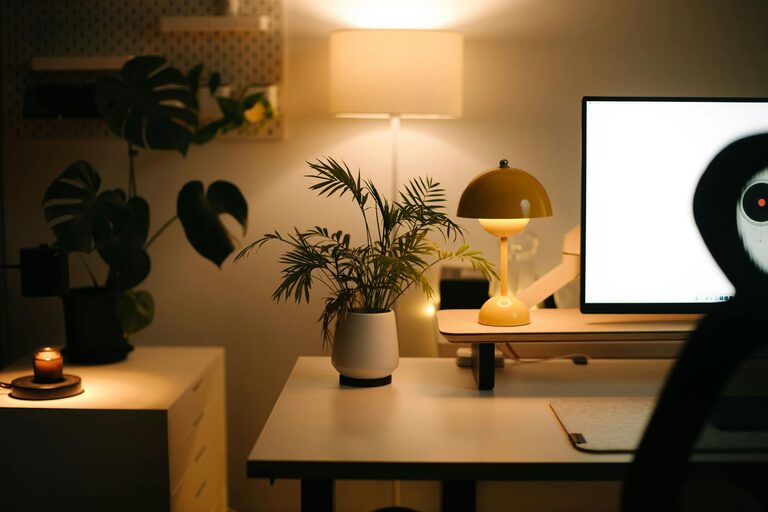
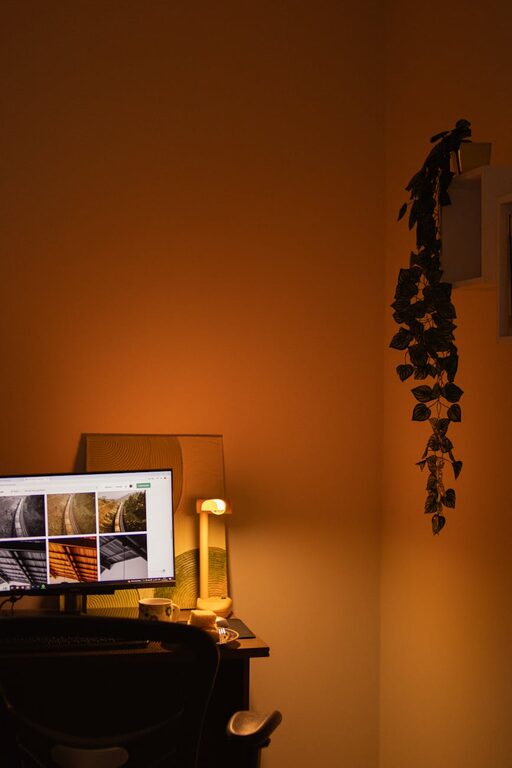
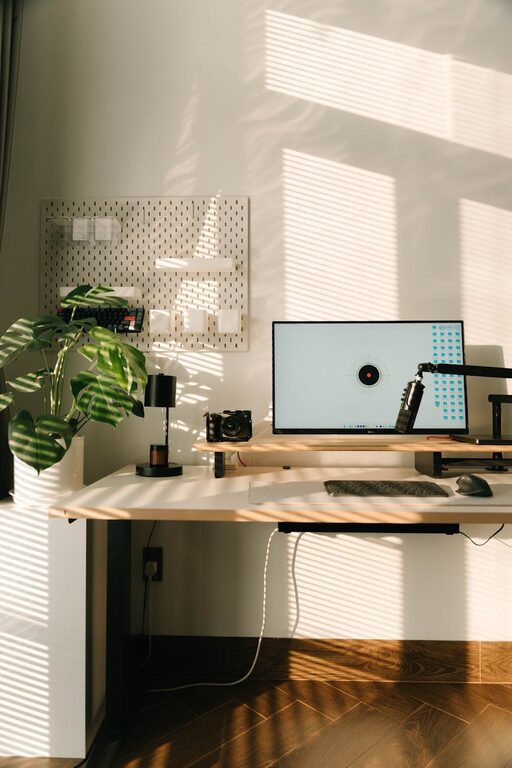
Natural light can significantly influence your mood and productivity. Try to position your desk near a window to take advantage of daylight. If that’s not possible, invest in good artificial lighting that reduces eye strain.
Invest in Ergonomic Furniture
Choose a Comfortable Chair
An adjustable chair with good lumbar support can prevent back pain and improve posture during long work hours. Comfort should be a priority to avoid physical discomfort that can distract from work.
Use a Suitable Desk
Your desk should be at the right height to maintain a neutral wrist position while typing or writing. A desk with enough space to organize your work materials will help keep your area tidy and efficient.
Organize Your Workspace
Keep Essentials Within Reach
Arrange your frequently used tools, documents, and devices so you can access them quickly. This limits interruptions and keeps your workflow smooth.
Declutter Regularly
Clutter can increase stress and reduce productivity. Develop a habit of tidying your desk at the end of each day to maintain a clean, organized environment.
Utilize Storage Solutions
Shelves, drawers, and file organizers can help keep paper and supplies off your desk. Labeling storage containers also makes it easier to find what you need promptly.
Create a Productive Atmosphere
Control Noise Levels
If you are in a noisy environment, consider noise-cancelling headphones or added soundproofing measures. Alternatively, some people find background music or white noise helpful to maintain focus.
Set the Right Temperature
A comfortable room temperature is important for concentration. Most people work best in environments between 68-72°F (20-22°C). Use fans or heaters as needed to maintain comfort.
Personalize Your Space
Adding personal touches like plants, artwork, or inspirational quotes can make your workspace inviting and enjoyable. Greenery, in particular, may help reduce stress and boost creativity.
Manage Technology Efficiently
Optimize Your Setup
Position your monitor at eye level to avoid neck strain. Use an external keyboard and mouse for better ergonomics if you work on a laptop.
Ensure Reliable Internet
A strong and stable internet connection is critical for remote work. If needed, upgrade your router or consider a wired connection to avoid interruptions.
Minimize Digital Distractions
Use apps that block distracting websites during your work hours. Set your phone to quiet mode or out of reach to avoid unnecessary interruptions.
Establish Routines and Boundaries
Set Clear Working Hours
Define a schedule that marks the beginning and end of your workday. This helps maintain work-life balance and signals to family members when you shouldn’t be disturbed.
Take Regular Breaks
Short, frequent breaks can improve focus and reduce fatigue. Use techniques like the Pomodoro method (25 minutes work, 5 minutes break) to stay refreshed.
Communicate Boundaries With Others
If you share your home with family or roommates, explain your work hours and the importance of minimizing distractions during those times.
Maintain Good Habits for Productivity
Prioritize Tasks
Make daily to-do lists that prioritize the most important tasks first. This helps keep you on track and provides a sense of accomplishment.
Stay Hydrated and Move
Drinking water regularly and taking brief stretches or walks can keep your energy levels up and prevent stiffness.
Reflect and Adjust
Periodically assess your workspace and routine. Make changes as needed to improve comfort and efficiency.
—
Creating a productive home office environment is about more than just furniture or gadgets; it’s about creating a space and routine that supports your focus, comfort, and well-being throughout the day. By applying these tips, you can design a workspace that helps you perform your best while maintaining balance at home.