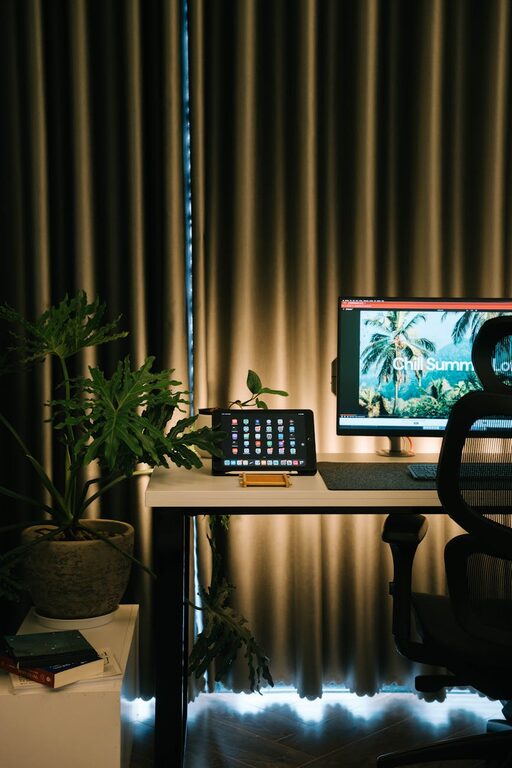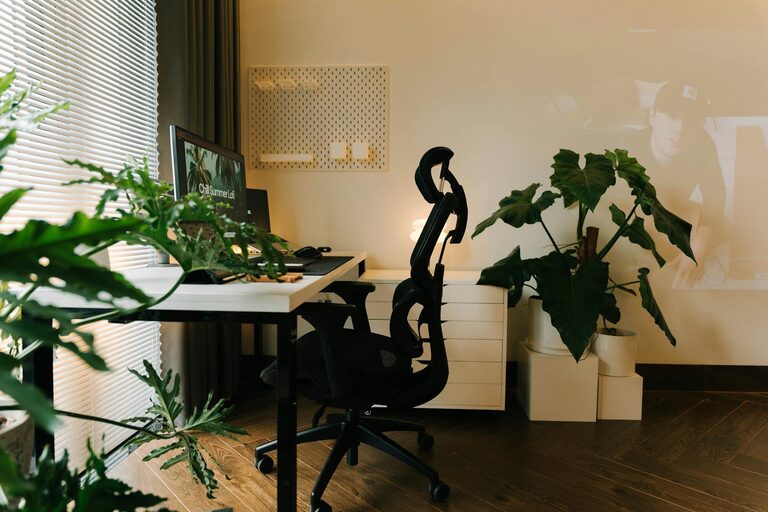
Creating a comfortable and productive home office is essential in today’s work-from-home culture. A well-designed workspace can help you focus better, reduce stress, and maintain a healthy work-life balance. Whether you’re setting up a space from scratch or improving an existing area, these tips will help you build an environment that supports your daily tasks and overall well-being.
1. Choose the Right Location
Selecting the right spot for your home office sets the foundation for a productive environment.
– Quiet and Private: Pick a location away from heavy traffic areas, household noise, or distractions. If possible, a separate room with a door works best.
– Natural Light: Position your desk near a window to take advantage of natural light. It can boost your mood and reduce eye strain.
– Space and Size: Ensure there is enough room for your desk, chair, and any equipment you need. Avoid cramped spaces to prevent feeling confined.
2. Invest in Ergonomic Furniture
Comfort is key for long hours of work. Ergonomic furniture prevents discomfort and promotes better posture.
– Chair: Choose an adjustable chair with lumbar support, a cushioned seat, and armrests. This reduces the risk of back or neck pain.
– Desk: Find a desk at the right height so your arms can rest comfortably while typing. Consider adjustable desks or standing desks for flexibility.
– Monitor Placement: Set your computer monitor at eye level, about 20-30 inches from your eyes to reduce neck strain.
3. Organize Your Workspace
A neat, clutter-free workspace can increase focus and reduce stress.
– Storage Solutions: Use shelves, drawers, and organizers to keep supplies and documents tidy.
– Cable Management: Tidy up cords with clips, sleeves, or under-desk trays to avoid tangles and hazards.
– Essential Tools Only: Keep only what you need within reach to minimize distractions.
4. Optimize Lighting
Proper lighting can prevent headaches and enhance productivity.
– Combine Natural and Artificial Light: Use daylight during the day and add task lighting such as desk lamps for focused work.
– Avoid Glare: Position your screen perpendicular to windows to avoid reflections and glare.
– Choose the Right Bulbs: Soft white or daylight LED bulbs reduce eye strain better than harsh fluorescent lighting.
5. Personalize Your Space
Adding personal touches makes your home office inviting and motivating.
– Decorate: Use plants, artwork, or photos that inspire and calm you.
– Colors: Select colors that promote concentration, like soft blues or greens.
– Comfort Items: A cozy rug, cushions, or a footrest can improve comfort.
6. Create Boundaries Between Work and Home Life
Separating your work area from your living space helps maintain balance.
– Defined Workspace: Use furniture placement, room dividers, or rugs to visually mark your office boundaries.
– Routine: Start and end your day with a set routine to signal work time versus personal time.
– Break Areas: Take breaks away from your desk, even briefly, to refresh your mind.
7. Incorporate Technology Wisely
Equip your home office with the right technology tools.
– Reliable Internet: A strong, stable internet connection is critical for virtual meetings and online tasks.
– Quality Audio Equipment: Invest in a good headset or speakers for clear communication.
– Efficient Devices: Use up-to-date computers, keyboards, and mice to avoid unnecessary frustration.
8. Maintain Good Air Quality and Temperature
Air quality and comfort affect alertness and health.
– Ventilation: Open windows when possible or use air purifiers.
– Temperature Control: Keep the room comfortably warm or cool based on your preference.
– Plants: Indoor plants can improve air quality and add visual appeal.
9. Manage Noise Levels
Noise can be disruptive, so find ways to minimize distractions.
– Soundproofing: Add rugs, curtains, or foam panels to absorb sound.
– White Noise: Use a white noise machine or background music to mask distracting noises.
– Headphones: Noise-canceling headphones are great for focus in noisy environments.
10. Keep It Clean and Updated
A clean and well-maintained workspace keeps you motivated.
– Daily Tidying: Spend a few minutes at the end of each day keeping your desk and surroundings clean.
– Regular Decluttering: Periodically remove unnecessary items or papers.
– Upgrade When Needed: Replace outdated or worn equipment and furniture to maintain comfort and efficiency.
—
By thoughtfully designing your home office, you create a space where work feels natural and stress is minimized. Implement these tips to build a workspace that supports your productivity and comfort, helping you make the most of your work-from-home days.