
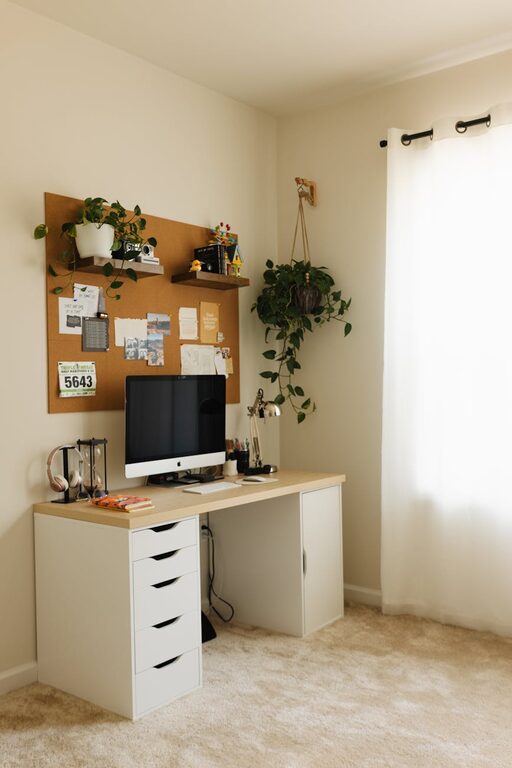
Creating a home workspace that feels both cozy and productive can transform the way you work from home. Whether you’re a remote professional, a student, or running a small business, your environment plays a big role in how focused and comfortable you feel throughout the day. Here are some helpful tips to design a home office that supports your work and wellbeing.
Choose the Right Location
Selecting the right spot for your workspace is the first and most important step. Look for a quiet area with minimal distractions. Ideally, this should be a separate room or a corner that you can dedicate solely to work. Natural light is a big plus—it improves mood and focus—so try to position your desk near a window if possible.
If space is limited, consider using a foldable desk or a multi-functional piece of furniture that can blend with your living space without feeling cluttered.
Invest in Comfortable and Supportive Furniture
Your comfort directly impacts productivity, so prioritize ergonomics when choosing your furniture.
– Desk: Find a desk with enough surface area for your computer, notes, and any tools you use daily, while leaving space to keep things organized.
– Chair: A supportive chair with adjustable height and lumbar support helps reduce back and neck strain.
– Accessories: Consider an adjustable monitor stand and a keyboard tray to keep your posture correct and prevent repetitive strain injuries.
Optimize Lighting
Proper lighting helps reduce eye strain and keeps you alert. In addition to natural daylight, use adjustable task lighting like desk lamps with warm light settings. Avoid harsh overhead lights and glaring reflections on your screen. A well-lit environment can make your workspace feel inviting and reduce fatigue.
Personalize Your Space
Making your workspace welcoming encourages you to spend time there and keeps you motivated.
– Decor: Add personal touches such as plants, artwork, or inspirational quotes.
– Colors: Choose calming colors like soft blues, greens, or neutrals that promote relaxation and concentration.
– Comfort: Use cozy elements such as a soft rug or a comfortable throw blanket that make the space inviting.
While personalizing, keep things uncluttered. Too many items can distract or create a sense of chaos.
Establish Organization Systems
An organized workspace helps keep your mind clear and your day efficient.
– Storage: Use shelves, drawers, or filing cabinets to keep frequently used items within reach and store away clutter.
– Desk Organization: Use trays, pen holders, or small bins to categorize supplies.
– Cable Management: Use clips, sleeves, or ties to manage cords and keep your area tidy.
Taking a few minutes each day to tidy up your desk prevents buildup and creates a more focused environment.
Set Boundaries and Create Routine
Your physical workspace sets the tone, but so does your routine. When working at home, it’s important to establish clear boundaries.
– Work Hours: Define specific times to start and stop work to maintain balance.
– Breaks: Incorporate short breaks to stretch and rest your eyes.
– Signaling: Consider a way to signal to family or roommates when you’re working to minimize interruptions.
Creating habits around your workspace can increase both productivity and comfort.
Use Technology Wisely
Technology can boost productivity if set up thoughtfully.
– Reliable Equipment: Use a dependable computer, high-speed internet, and quality headphones if needed.
– Apps and Tools: Try productivity apps for time management and task organization.
– Backup: Regularly back up your work to avoid data loss.
Keep your equipment clean and well-maintained to avoid interruptions.
Incorporate Wellness Elements
Physical and mental health support productivity.
– Plants: Adding greenery can improve air quality and reduce stress.
– Movement: Keep space for a stretching mat or small exercise tools.
– Mindfulness: A small corner with a cushion or chair for meditation can help clear your mind.
Attending to wellness in your workspace contributes to a balanced workday.
—
Designing a home workspace that combines coziness and productivity is a personal process. Experiment with layouts, decor, and routines to find what supports your best work. With these tips, you can create a space where you look forward to working every day.